CONTACT
Institutos Nebrija

Short courses of the Nebrija Arts and Humanities Institute Artificial Intelligence and Creative Processes in Art

This intensive course immerses participants in the intersection between art and artificial intelligence. It explores the use of image and sound generation tools (such as Midjourney, DALL·E, and Stable Diffusion), examines the concept of “co-creation” with the machine, and discusses the critical questions it raises: Who is the author? Is AI redefining creativity?

A theoretical and practical workshop designed for artists, designers, and cultural professionals who wish to understand and use AI in a conscious and creative way.
SCHEDULE Sábado de 10:00 a 12:30
DURATION 20 h
FORMAT In person
WHERE Campus de Juan XXIII
WHEN Jan 31st - Mar 7th, 2026

Request Information

¿What is your name?
Where do you reside?
Write the 9 digits
To contact you

General Objectives

Explore the creative possibilities of artificial intelligence within the artistic field.
Learn about the main image, sound, and text generation tools such as Midjourney, DALL·E, and Stable Diffusion.
Reflect on authorship, originality, and the role of the artist within the new technological paradigm.
Foster critical thinking in response to discourses of innovation and automation in culture.

Who is this course for?

Artists, designers, and creators interested in incorporating artificial intelligence into their creative processes.


Professionals in the cultural and educational fields who wish to understand the impact of AI on artistic production and mediation.


Students and curious individuals seeking a practical and reflective introduction to new technologies applied to art.


Professor

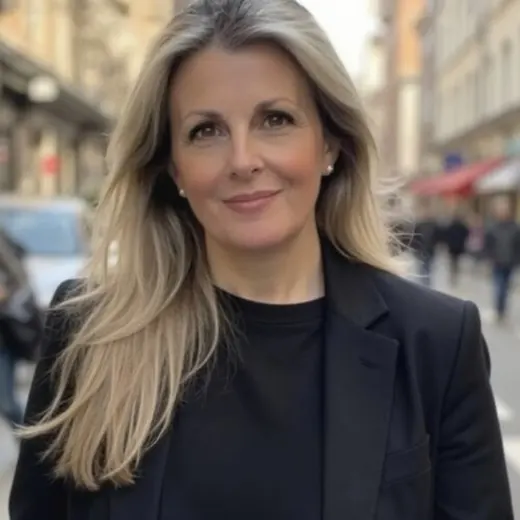
Susana García García Tuñón

A distinguished university professor and author of acclaimed books on artificial intelligence and its social impact. With a career dedicated to analyzing and communicating the foundations and implications of AI, she has an exceptional talent for bridging the gap between the technical field and the humanities. Her interdisciplinary approach makes her a key voice for understanding digital transformation in the realms of culture, ethics, and creativity, turning her classes and publications into unique spaces for reflection and learning.